Originally published by USGA
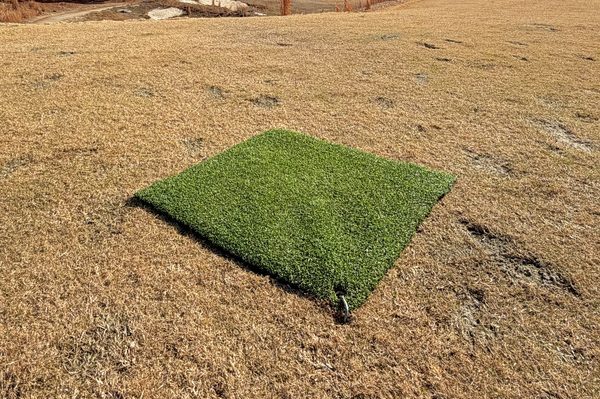
Protecting high-use teeing areas during the winter will help produce quality playing surfaces at the beginning of next season.
By: Zach Nicoludis, regional director, Central Region
There is a lot to be excited about when it comes to golf's popularity over the past several years. However, with golf courses continuing to see more rounds played, the evidence of wear from a busy season is apparent later in the year. This is especially true when it comes to the number of divots on tees. It is important to protect primary teeing areas during winter – particularly on par 3s – because any divots and wear from foot traffic will not heal until active growth resumes next spring.
A highly effective approach is to take heavily used tees out of play for the offseason. This can be done by moving tee markers up or back to less-used parts of the teeing surface. Courses can also create "winter tees" by lowering the mowing height of a flat portion of the rough adjacent to the tees if the terrain is suitable.
Additionally, I have seen artificial mats set up on tees for the winter to provide quality hitting surfaces while protecting the turf. This option will require moving the artificial surface frequently, or if it is left in the same area, sodding will be required the following spring. Some courses have elected to permanently install an area of artificial turf into certain tee surfaces for use during winter or any other times that the turf needs a break.
Another option is to place small pieces of artificial turf on tees that players can hit from. Golfers can use a tee to anchor the mat to the surface so it doesn't move when they hit their shot. It should be anticipated that not every golfer will hit off the artificial surfaces, but if enough cooperate it will make a difference in the total number of divots.
When to start using the primary teeing areas will be a frequent question as conditions improve heading into spring. The answer depends on the weather and how much recovery is needed. Additionally, consideration must be given to when golfers are posting scores for their Handicap Index®. If you are in a location where golfers can post all winter or if protective measures will still be in place when posting resumes, it is worth touching base with your Allied Golf Association to get their opinion on how to proceed. Reach out to your regional USGA agronomist for more tips on preparing the golf course for winter.
Central Region Agronomists:
Zach Nicoludis, regional director, Central Region – znicoludis@usga.org
Tom Gould, agronomist – tgould@usga.org
Steve Wilson, agronomist - swilson@usga.org
Information on the USGA's Course Consulting Service
Contact the Green Section Staff